Amy Beck has a natural gift for starting meaningful conversations. Her presence and kindness help open up important discussions, and she has a unique ability to articulate even the most complex emotions and issues. At 47, I always feel a sense of excitement when I connect with someone on a deep, genuine level. Amy makes you feel like she’s a childhood friend—the kind you would have shared your best secrets with during a sleepover.
I felt so lucky to sit down with her and discuss a wide range of topics, from her doula business, Olive Tree Birthing, to her interest in supporting public schools (her and her husband, Jim who owns Bloomington based badknees, are both former public school teachers). We talked about walks in the woods, family pets, the importance of being vulnerable with kids, and our shared love for Practical Magic, fried tofu, and Diet Coke. We even explored how social media can actually be a positive force for kids.
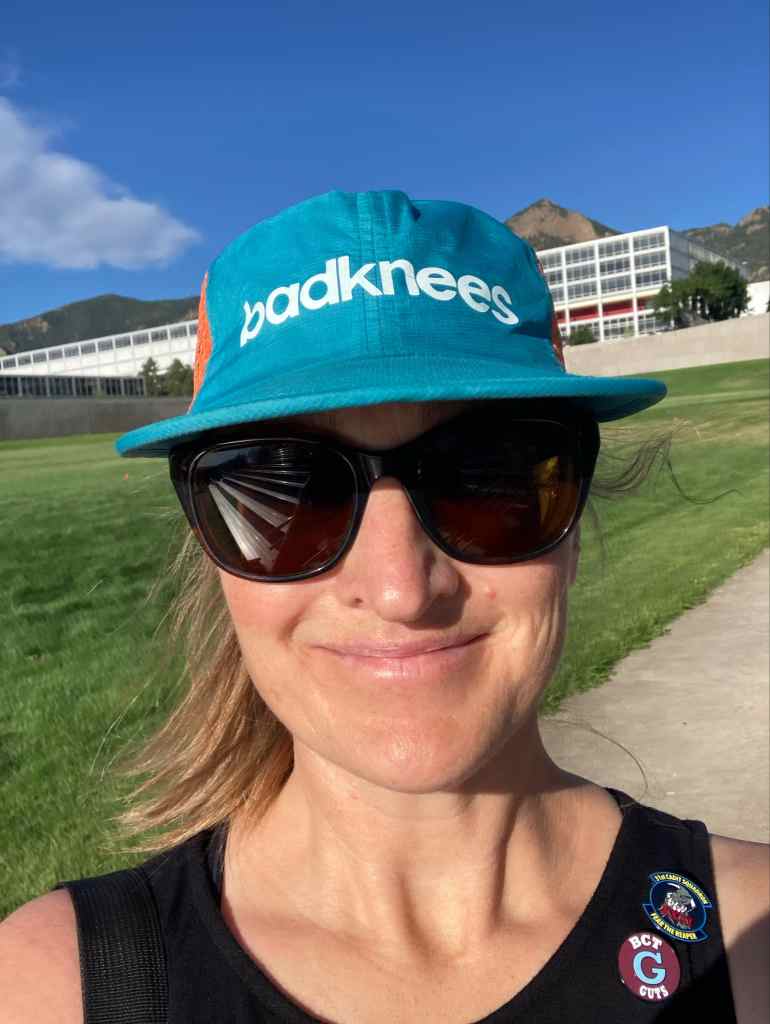
I met Amy 12 years ago when we were both pregnant with our youngest children, and she was the programming director for Bloomington Area Birth Services. Since then, our paths have crossed in various ways—at baby yoga, our children’s elementary school (where she has a child in the same program as mine and serves as the PTO president), music events, and on social media.
On discovering doula work and planting roots in Bloomington:
Amy came to Bloomington for college in 1998 and graduated from Indiana University with a degree in special education. After graduation, she returned to the northwest suburbs of Chicago, married her partner, Jim, and taught for a few years. Later, they moved to Vermont, where they both continued teaching.
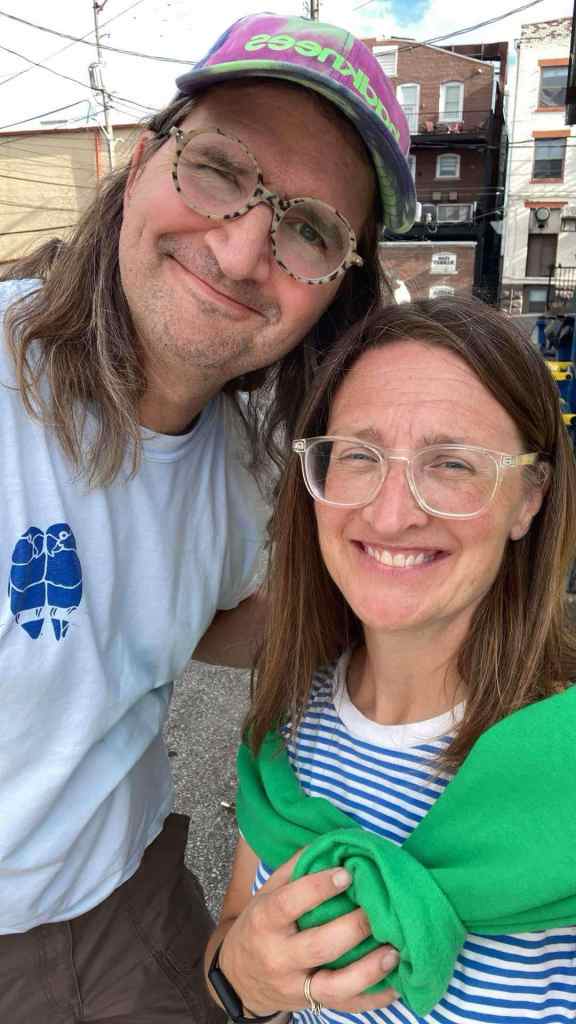
The year after their oldest child was born in Vermont, Amy stayed home and developed a strong interest in pregnancy and birth work. She shared, “I knew there was something out there that was labor support.” She learned about birth doulas and how the role provides emotional, physical, and informational support. Amy reflected, “I thought, I could go to someone else’s birth and I could be invited into that? And secondly, that could be a job? It blew my mind that labor support was something I could do professionally.”
With her first baby, she didn’t have a doula. Amy and Jim were living in a housing co-op in Vermont. “The night I was in labor everyone in our shared house had left to go to a wedding in up-state New York. Jim and I stayed back because I was in labor. It was magic. With Jim there, I felt like my needs were met, but my particular story was that there was a lot of assuming that labor would get much harder, so there was a lot of putting off the notion that I was in the labor that would get me my baby.”
Not long after, the couple decided to move closer to family in Illinois. As IU graduates, they felt drawn to Bloomington and chose to settle there, putting down roots and raising their family in the home where they still live today.
In 2008 Amy and Jim’s second child was born in Bloomington. “The first year in Bloomington (after moving back) was so lonely, I didn’t know anyone. The person closest to me was my midwife, who I saw during my appointments and the teachers and staff I worked with at the middle school. It was very different from now, where I have a community. Even though I attended a doula training and was preparing to become a doula myself during the pregnancy, I did not hire a doula for our home birth. Our income was low, I was making a teacher salary and my husband did tech support at IU. We didn’t have a lot of money. I think it felt inaccessible to me. It was overwhelming to know how to invite someone else in.”
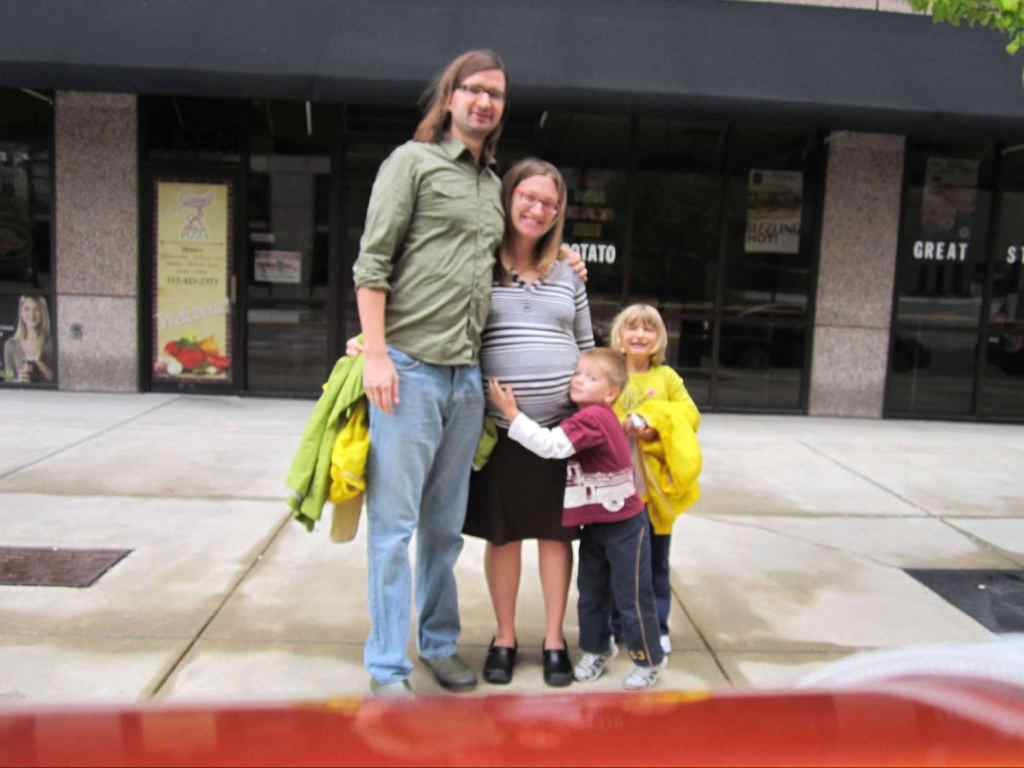
“During my third birth, I did hire a doula. I wanted someone to tend to me while Jim could tend to the kids if necessary or to have someone else on my team. It felt really celebratory the third time around. It was great”.

Amy explained that a birth doula is someone trained in the birth process, helping the mother become familiar with and understand what to expect during labor. The doula provides education and helps normalize the experience for both the mother and the birth partner. They offer emotional and physical support throughout labor. Emotionally, the doula offers encouragement, reassurance, and a calming presence. Physically, they help the mother feel more comfortable through touch, suggesting position changes, and encouraging movement. “Sometimes being a doula is just being present to what is and not impeding on the process.”
Amy officially started Olive Tree Birthing after she completed her doula training and certification requirements through DONA International. Since beginning her birth doula work, her offerings have expanded.
“I had learned about end of life doula support through other doula groups. I heard about this program at the Unitarian Universalist Church in Bloomington that was offering a training for people who wanted to volunteer to vigil at life’s end.” They call themselves VALE (Vigiling at Life’s End).The nurse and staff in nursing homes, hospitals, and rehab centers can identify these people who are actively dying and cannot sustain life. “That spoke to me, because it is so aligned with what we do in the birthing process. We are patiently waiting for this physiologically occurring transformative event to happen and you can’t speed it along, you can’t change it, all you can do is be present with it.” In 2019 she pursued a certificate as an end of life doula through the University of Vermont’s online program.
“I was thinking this is something I can offer my community and do. Currently I don’t work with anyone who is actively dying or has a prognosis of death within the next six months. But I am working with a friend who I came to meet through her daughter who was looking for some kind of support for when the time comes. So my relationship is this beautiful friendship. We see each other once a week and we hike in the woods. We talk and she is actively living. That is what we are focusing on. So the idea is that when my friend does show signs, she does have an end of life transition that we have some warning for, I could then be a support for her and her family. But that’s not where we are right now. Right now we are building our friendship and it’s amazing.”
On raising three kids at varying stages (one young adult, one teenager, and one preteen):
“They’re at such different stages. All three kids are so different. You’re parenting individuals. They have their own opinions and thoughts. When I think about my sons I think about the recognition that I’m a mom of three kids. My daughter has moved onwards and is doing her own thing. What remains is seeing a part of the family and recalibrating two children at home who are in very different seasons and who are different people. I want to do right by them. I want my energy, intention, and focus to be on them, because I’m realizing now that we don’t get forever with them living in your home, in the next room. It’s like a limited amount of time so I feel more sentimental, especially with my high schooler because he only has two years left in high school. As parents we get this period of time with them, but for the majority of their lives they are in other places with other people. I think about how lucky those people are going to be to get to know our children. I’m sad I don’t get to be those people, their colleagues or their roommate. That letting go is pretty prominent.”
We discussed how parenting is full of surprises and the importance of being present to support the decisions our kids are making. Her oldest is now in the Service Academy. “I was surprised because we don’t have any military in our family besides grandparents who served in World War II and service wasn’t on our radar. Our daughter was excited to learn about being a pilot and planes. She told us she was looking into the U.S. Air Force Academy in Colorado and applying to other schools. She took the initiative to do all the applications. She did it all independently. It was challenging because I consider myself a pacifist, but I know there are times when we want a group of people to stand up for those that need defense or care. And that can come in the form of the military, which can bring discomfort. But this thing about parenting that I’m realizing is that there comes a point where I don’t get to make the call, she does. I either get to love her, support her, and be there for her for the times of her challenges and joys or I could be very rigid or make this about what I believe or want for myself. I’m figuring out the adult/child relationship. One of the things that I think brings me comfort is that when change happens within systems, I believe it happens because of the people in those systems. I’m really just believing that her integrity, her ethic, and her moral compass will help to be change where it needs to happen.”

Although Amy’s knowledge and experience make her a valuable resource on parenting, she shares, “I don’t like giving advice. If something is going on, oftentimes I don’t want to share what I think they should do.” This philosophy proves to be consistent for her for the brand new parents she works with too. “The thing about being a birth doula and childbirth educator is that I share a lot of personal things but I don’t ever want to convey that I’ve got it figured out. My measurements of being a good parent can never be accurate. I don’t even know how you could judge a good parent versus not a good parent. Obviously there are some very distinct things like have you fed your child, have you provided some comfort, care, and love? But otherwise I think we tend to have a lot of opinions about how we should do things as parents. And there are so many different ways to be a human in this world. There’s not a one size fits all in parenting.”
On the importance of being vulnerable with kids:
We talked about a common theme in our relationships with our own parents: they often appeared like authority figures, and we rarely saw them being vulnerable. When they were upset, we sometimes didn’t understand why, which made things confusing, especially when we were left guessing about their thoughts and feelings.
“I remember if I would get in trouble for something, feeling like how much trouble I’m in for this behavior is unproportionate to what I did. Pulling back the layers I realized what I did reminded them of other ways they felt in their life. When we are disproportionate with how we feel with other people, it’s really confusing, especially to our younger children.”
Last summer one of the chickens Amy and her family raised for eggs got sick and passed. “Our chicken was sick and I had been on the phone with my brother sobbing and crying. Then I was talking about it with my husband and friends of ours. Our son was in the room with us and he’s 11. I was being very honest and open about my fear for this chicken, my feelings of guilt for being a meat eater, while also being devastated that my chicken might die. He was right there, I turned to him and asked, how are you doing with this, do you have any questions about what’s going on or any thoughts? It hit me that I was being vulnerable in my sharing, but I also had a child who was right there. It has stuck with me this last month that it happened because I want to be someone who notices when someone is not doing okay. Especially if they’re not doing okay because of something that I’m doing or saying. It’s just a very humbling part of parenting to know what I’m doing impacts you and how can I be sure to check on that. I’m vulnerable, but you don’t have to take care of me.”
On supporting public schools:
Amy is a former elementary and middle school teacher. Her spouse taught middle school and high school as well. She is actively involved in our school community, leading parent-led initiatives though the PTO. “I started paying more attention to public education in 2016. I feel like our education system is undermined, the way that it’s talked about by groups of individuals that are more conservative. I feel like it’s really hurting how we can thrive in our public education. We have to keep talking about it. How do we support teachers in supporting our kids? I think the thing that always helps is to ask the question and be prepared to listen to the answer. I think when we ask the question, whether it’s with a birth doula client or postpartum doula client or our educators. It’s providing the space where they feel safe and comfortable to share with you. Sometimes honesty is not what you want to hear. It makes it a little more challenging because it’s not tied up with a bow, like you thought it would be. There’s some discomfort when we ask questions and the answer is not easy to solve and it may not even be ours to solve. It’s hard, because teachers are restricted from what they can actually share publicly. I think they are held to a certain standard of what they’re saying. That makes it really challenging for change to happen if we can’t really hear, or if things are discussed behind closed doors. That’s where people are really impacted, parents or in doula work, the patients who have received care they need to be the voices that are elevating concerns or problems to someone higher.”
On the positive side of social media (for both adults and children):
One thing I admire about Amy is her ability to share authentically on social media, both personally and professionally, without ever seeming like she’s oversharing or airing personal issues. Sometimes her posts are just for fun, but often she shares to remind people they aren’t alone, whether through her own experiences or by promoting events she’s organizing to help others connect.
“I tend to talk about topics and share because, for me, I’ve gone through hard stuff. I really value people that have shared their story that I can visit even if it’s a video I can watch on YouTube, or reading a blog, or reading someone’s post or comments where I can feel like, oh my gosh I’m not alone or here are some actual logistical ways I can move through it.”
“With anything I post or share, I ask myself, is this going to be upsetting for my kids? Is it helpful or useful? Is there a reason that goes beyond just sharing to share?”
We discussed the balance between being authentic and normalizing issues on social media, while also trying to keep kids safe from harmful online content. We both agreed that access to more online support for depression, anxiety, and other serious mental health issues during our own childhood (especially middle school and high school) would have been helpful. The shame and the secrets you think you are alone with can be devastating.
“The isolation and that feeling that no one understands goes away when you sit down and you go, oh we are aligned in some way on this topic in this conversation. The isolation that comes from it is really scary. I have thought, if only I had known other people are also struggling it would have brought me comfort.”
Just a few things I have learned from Amy via social media:
-She started a Friends in Nature walking group during the pandemic.
-She has a dog named Willie.
-She’s great at advertising school events and attracting community involvement.
-She hosts parent support groups for parents of all ages.
-Drinking coffee is a huge part of doula work!
On favorite family recipes:
“We just got an air-fryer. I make tofu, press it, season it with Braggs or chili oil, or coat it with a light bit of olive oil. I put it in the air fryer for 11 minutes and it comes out amazing. Aldi sells blocks of tofu for $1.59. You can make them up, stick them in the refrigerator.” She likes to add mayo, mustard, or sweet chili sauce. “It’s so delicious, so affordable, and my kids like them. We also make French fries, soak a russet potato, put on a little bit of oil after you chop it, in 10 minutes you have delicious rench fries”.
“We got an espresso machine for Christmas. I love supporting our local coffee shops, but it’s expensive to sustain that habit. I still visit my local coffee shops, but I am making coronado at home. It’s equal shots of espresso, and equal milk. I feel like if I drink a latte I’m drinking milk flavored with espresso, I feel like if I’m drinking a coronado, I’m drinking espresso flavored with milk. It’s amazing. You sit and enjoy it, you don’t run errands with it. It’s my comfort measure.”
Additional notes on doula services:
A doula is always available for a free consultation. Tandem, a local nonprofit, is a great resource for this. Amy suggests that a doula can meet with those interested to discuss ways to support labor and birth. During the consultation, the doula can explain and demonstrate how a birth partner can assist the laboring person. Some doulas may offer sliding scale fees, and resources like Evidence Based Birth provide additional educational materials.
Thank you for sharing with me, Amy! The depth of your care for people and our community is an inspiration!
https://www.bloomingtonbirthdoula.com
 Wonderfully Woven